Numerical Series 15 | 18
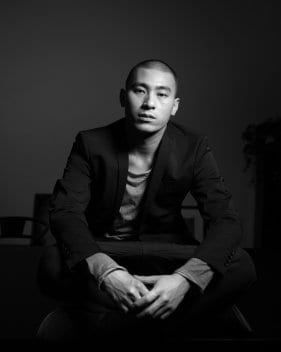
Tao Ye
TAO Dance Theater
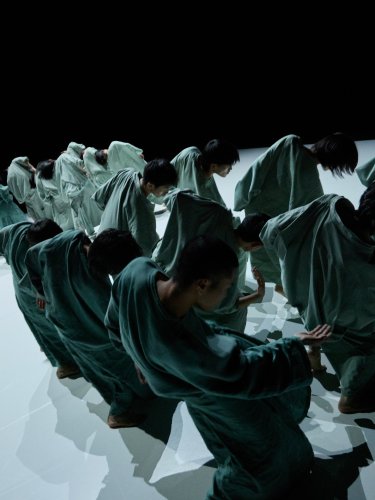
In 2026, Dance Reflections by Van Cleef & Arpels™ Festival is presenting Numerical Series: 15 & 18 by Tao Ye with TAO Dance Theater, in collaboration with the China Shanghai International Arts Festival.
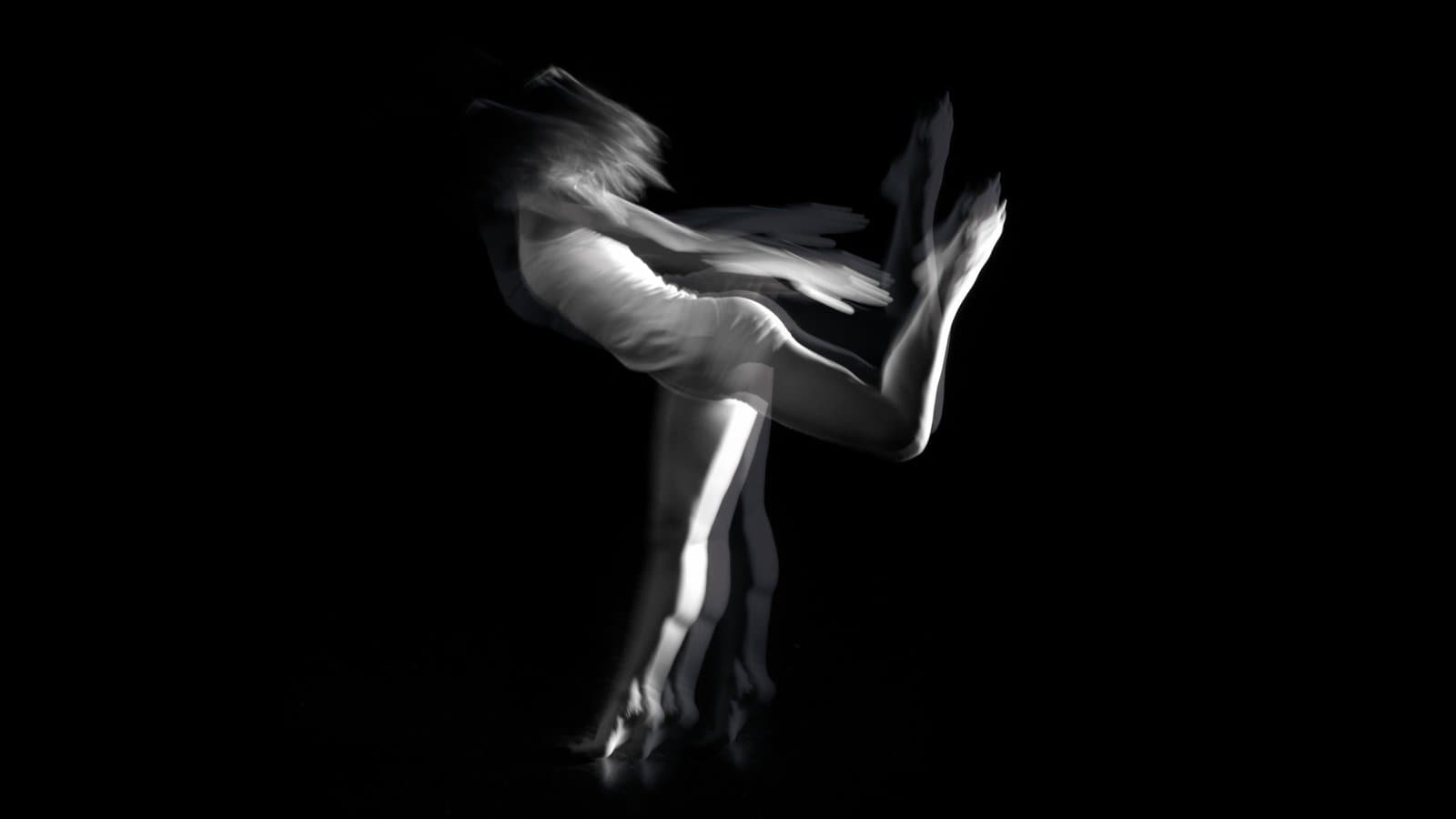
In August 2023, choreographer Tao Ye was invited by the Netherlands Dance Theatre (NDT) to create a piece for 15 dancers from the company’s first ensemble. Created in close collaboration with composer Xiao He, Tao Ye choreographed three highly demanding sections arranged in a triangular formation. He associates the triangle with stability, structure and numerology.
This piece explores a new body language based on his circular movement system. Tao Ye developed three live physical soundscapes inspired by rhythmic variation and richness: tapping, falling and vocalization. Combined with the dancers’ movements of wringing twist, turning, bending and folding, 15 evokes the experience of relaxation and tension, consumption and regeneration, concentration and meditation.
Tao Ye’s latest choreography, 18, continues his Numerical Series. The piece takes the nine-square grid as its spatial framework to investigate transformations between squares and circles, the infinitude of movement as well as the poetic resonance of calligraphy. The dancers treat space like rice paper, conceiving their bodies as brushstrokes, inscribing the classical poem Xing Ying Shen (Form, Shadow and Spirit) by the Eastern Jin poet Tao Yuanming. Often described as ‘dance on paper’, Chinese calligraphy embodies a philosophical art form.
On stage, 18 dancers form two sets of nine operating in correspondence. Using their bodies, they embody and ‘transcribe’ the three sections of the poem. Each grid’s movement vocabulary integrates nine fundamental calligraphic gestures—such as lifting, sinking, pausing and cutting—and translates them into kinetic principles.
Unlike previous works, 18 focuses on smaller, more subtle movements. In this piece, the circular, flowing aesthetics of dance, calligraphy and sonic rhythm converge, entering into dialogue with the philosophical inquiry of Xing Ying Shen. With breath as rhythm, the spine as axis and the centre of gravity as orbit, the work reconfigures and expands the expressive potential of the contemporary body.
Tao Ye
In 2026, Dance Reflections by Van Cleef & Arpels Festival is presenting Numerical Series 15 & 18 by Tao Ye with TAO Dance Theater, in collaboration with the China Shanghai International Arts Festival.
about the partner
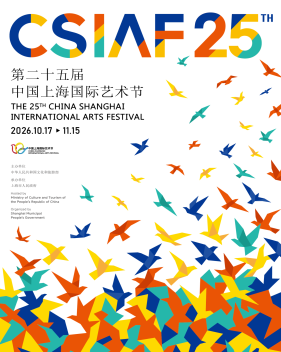
China Shanghai International Arts Festival
In 2026, Dance Reflections by Van Cleef & Arpels is presenting seventeen performances in collaboration with the China Shanghai International Arts Festival as part of the Dance Reflections by Van Cleef & Arpels Festival in Shanghai.