Partner of
La Fenice
 © La Fenice
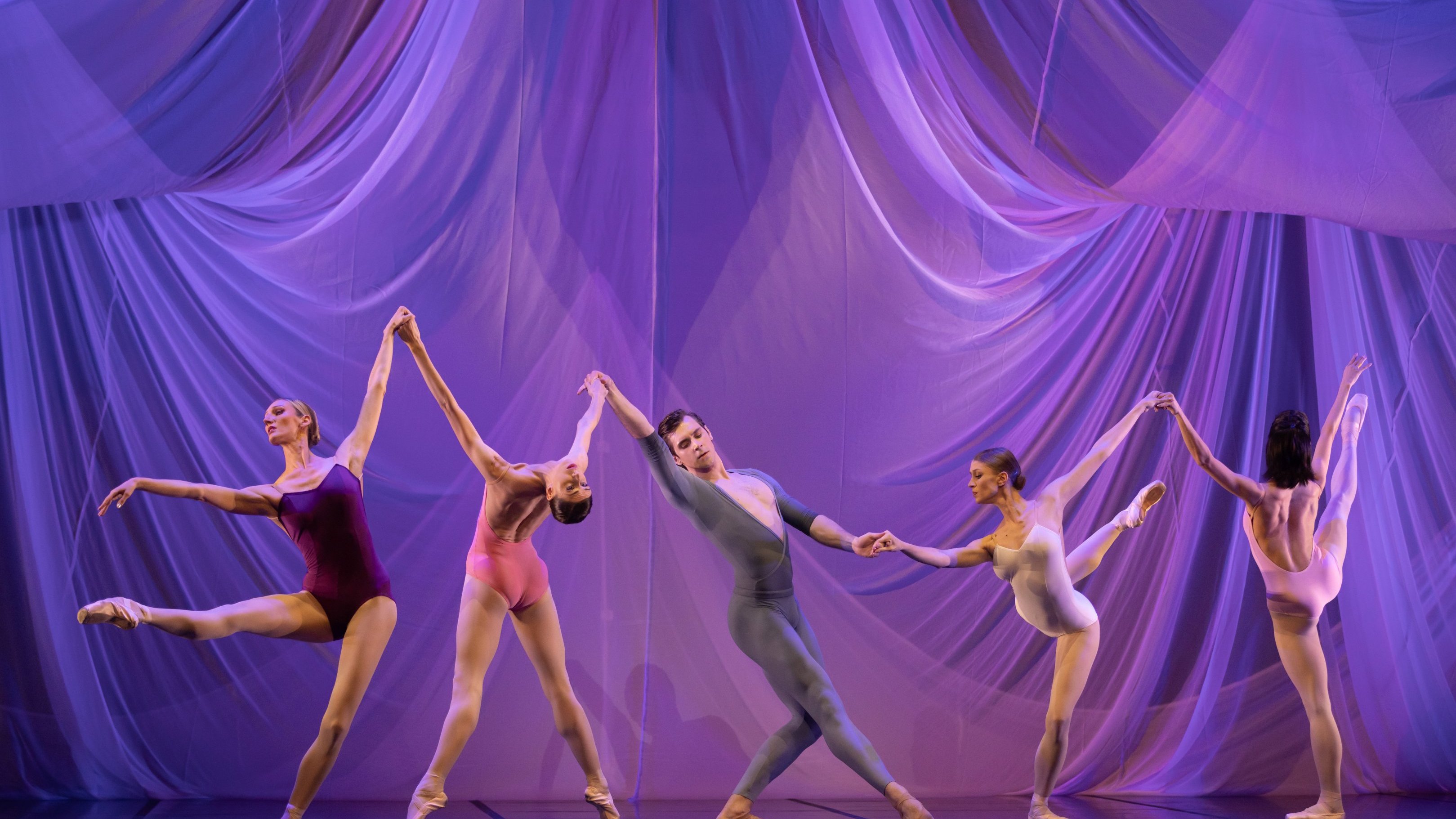
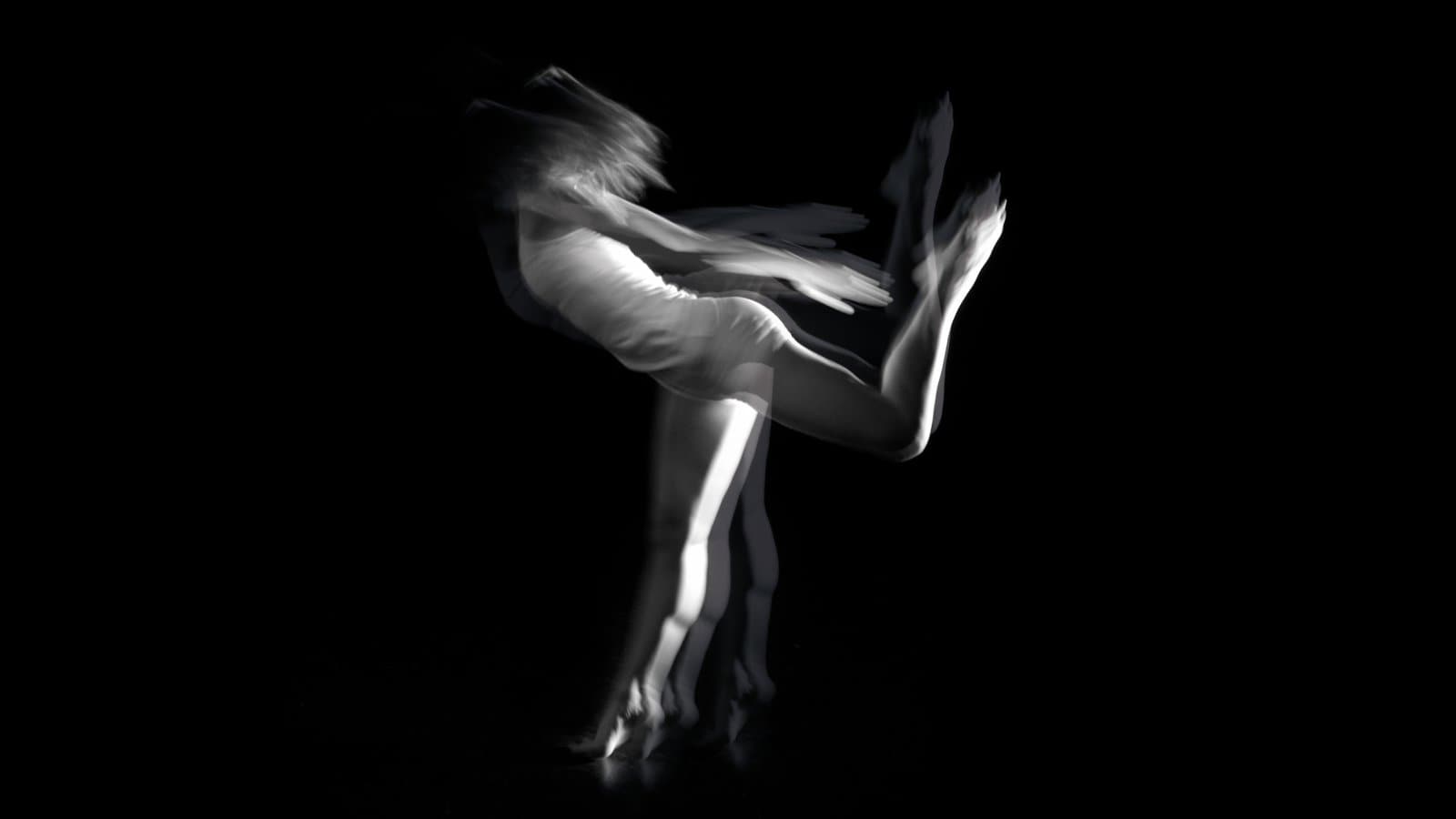
In 2027, Dance Reflections by Van Cleef & Arpels™ is supporting La Fenice for the presentation of three pieces by Maurice Ravel performed by Béjart Ballet from Lausanne: Serait-ce la mort ?, The Firebird and Boléro.
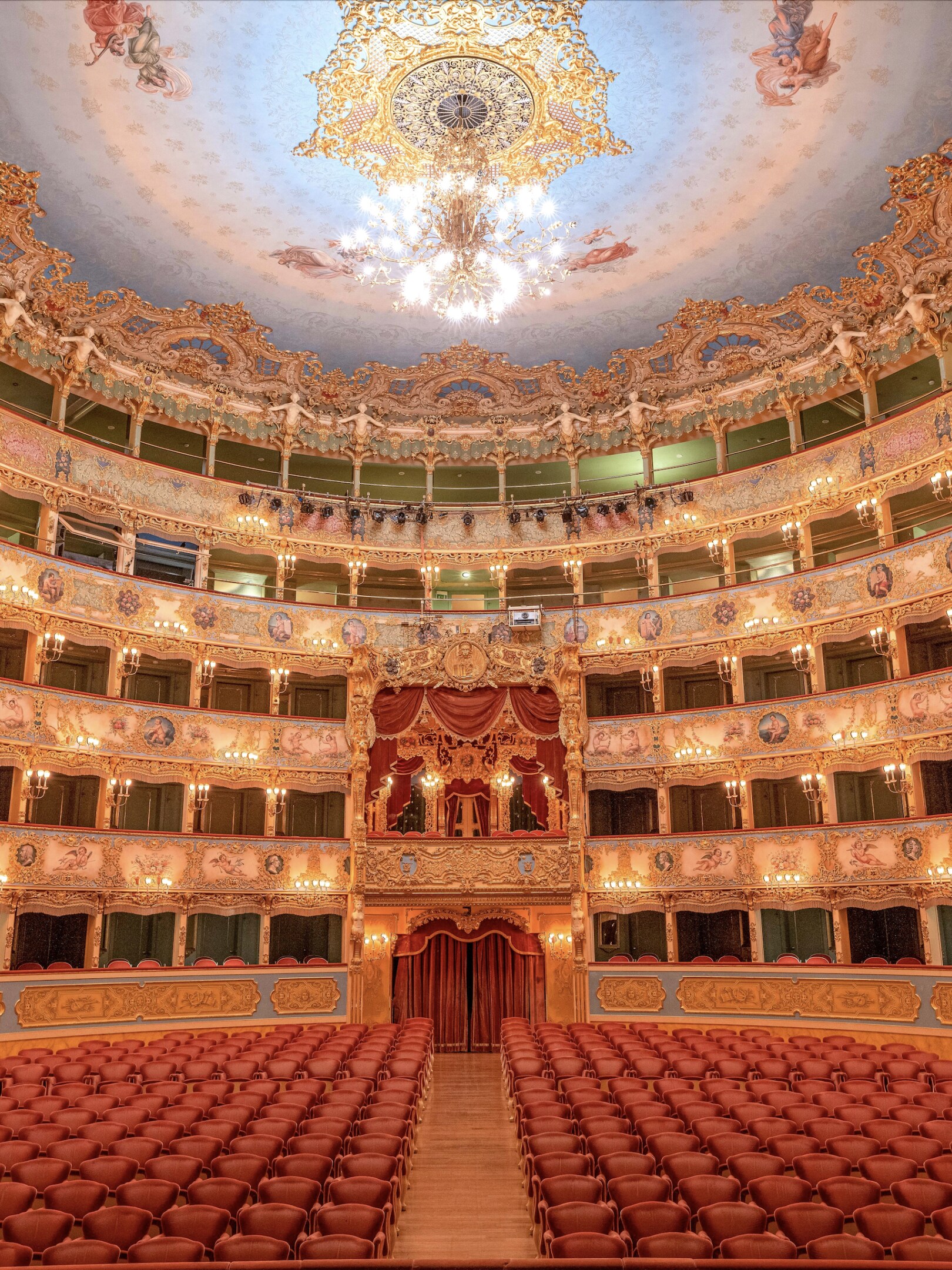
At the end of the eighteenth century Venice, Queen of lyrical opera of a historical and artistic tradition, had seven theatres: S. Salvador (at that time Apollo, then S. Luca and today Goldoni), S. Cassiano, S. Angelo, S. Moisè . It also had the three theatres belonging to the Grimani family: S. Giovanni Grisostomo (today called the Malibran), S. Samuele, and S. Benedetto (the present day Rossini). The latter, the most elegant and frequented theatre of all, was destroyed in a fire in 1773. As soon as it was rebuilt court proceedings between the owner Society of the new theatre and the Venier family began because the latter owned part of the land. The Venier family won the case and the Society was forced to sell the Theatre but decided to build one that was bigger and more beautiful than the one they had lost. “La Fenice” was the name of the new theatre, a symbol of the splendid rebirth of the Society from its misadventures. Of the twenty-nine projects which were presented, the assembly of shareholders chose to build that of Giannantonio Selva (1753-1816).
The theatre was finished in April ’92, and opened on 16 May with the opera I giochi di Agrigento di Giovanni Paiseiello and based on the libretto by Alessandro Pepoli. Ever since that time, La Fenice has distinguished itself as one of the most important Italian and European theatres with its contribution to the formation of the history of melodrama with the first performances of numerous masterpieces. Gioachino Rossini performed at the Fenice on 6 February 1813 with Tancredi, his first serious masterpiece. He is to write another two operas for the Fenice, Sigismondo (27 December 1815) and Semiramide (3 February 1823), one of the highpoints of Rossini’s dramatic works: the last Italian opera before his final move to Paris.
Of the ten operas by Vincenzo Bellini two were written for La Fenice: I Capuleti e i Montecchi (11 March, 1830) and Beatrice di Tenda (16 March 1833). On the other hand, Gaetano Donizetti wrote three operas for the theatre: Belisario (4 February, 1836), Pia de’ Tolomei (18 February 1837) and Maria de Rudenz (30 January, 1838).
La Fenice was destroyed in a fire in the night of the 12th and 13th of December, 1836.
The Society decided to go ahead with the immediate reconstruction. The brothers Giovanni Battista and Tommaso Meduna, both renowned architects, were entrusted with this delicate task and Prof. Tranquillo Orsi was given the task of looking after all the decorations of the interior. In the evening of 26 December 1837, La Fenice was reborn, just like the mythical bird and continued with renewed vigour. Meanwhile, one of the most famous composers of the nineteenth century is about to appear on the operatic horizon. In ’44 Verdi writes the first of the five operas that are to be commissioned by the Fenice which are: Ernani (9 March, 1844), Attila (17 March, 1846), Rigoletto (11 March, 1851), Traviata (6 March, 1853), Simon Boccanegra (12 March, 1857). The Fenice is second only to La Scala in performing the largest number of premiérs of works by Verdi including some of the Maestro’s most audacious and experimental pieces. In the decade following the First World War La Fenice enjoyed a period of intense revival and of renewed prestige: the most famous singers and important conductors of its times participated in its seasons. In the meantime, as an initiative of the Biennale d’Arte, the International Festival of Contemporary Music (1930) was prepared and hosted at La Fenice. Thus, an institution was born which was to be of great significance in the continuation and increase in the prestige of the theatre.
Even after the Second World War, La Fenice earned recognition for its programmes and interpreters: some of the most famous names, of exceptional importance and resonance to participate in the Festival include La carriera di un libertino by Igor Stravinskij and A Turn of the Screw by Benjamin Britten, Angelo di Fuoco by Sergiev Prokofiev to Intolleranza by Luigi Nono (1960), all of which drew the attention of the music world to La Fenice. True to the best of traditions, La Fenice has renewed the scenographical characteristics of the performances and has presented some of exceptional value not only in the field of opera but also in that of symphonies and chamber music. All conductors, singers, directors and scenographers of importance have worked at La Fenice. Many, such as Maria Callas and Joan Sutherland, made their debut there.
The Teatro La Fenice was destroyed in a fire in the night of January 29, 1996. And has been reopened on the 14th December 2003. In 1999 La Fenice became a Foundation with private rights and the currently general director and artistic director is Nicola Colabianchi.