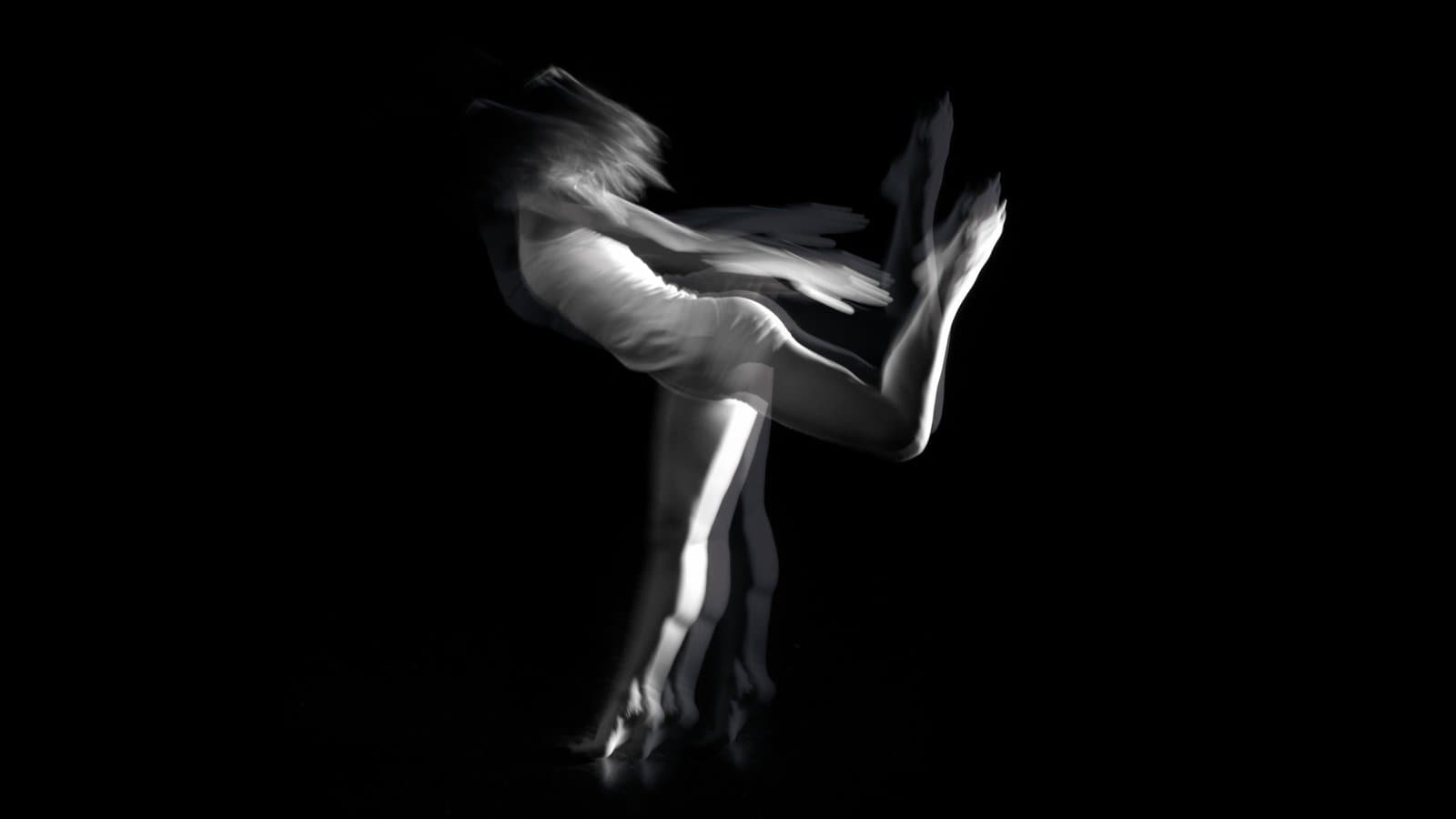
Archiving hip-hop to foster intergenerational transmission
Eugène Christophe Njock Belomo, Moncef Zebiri

Hip-hop, a multifaceted artform born in marginalized communities, has not always been easy to formally archive, especially when it comes to dance. These challenges were at the heart of the international symposium, “a/c/knowledge: Hip-hop dances as fields of research and invention,” organized by the CN D at La Villette in Paris in December 2025. CN D Magazine met with researcher Eugène Christophe Njock Belomo, who presented a paper on Cameroonian hip-hop, and hip-hop choreographer Moncef Zebiri, Director of the National Center for Choreography in Rillieux-la-Pape (a suburb of Lyon), who was in attendance. Both emphasize the importance of archiving hip-hop in order to pass down its rich heritage to younger generations.
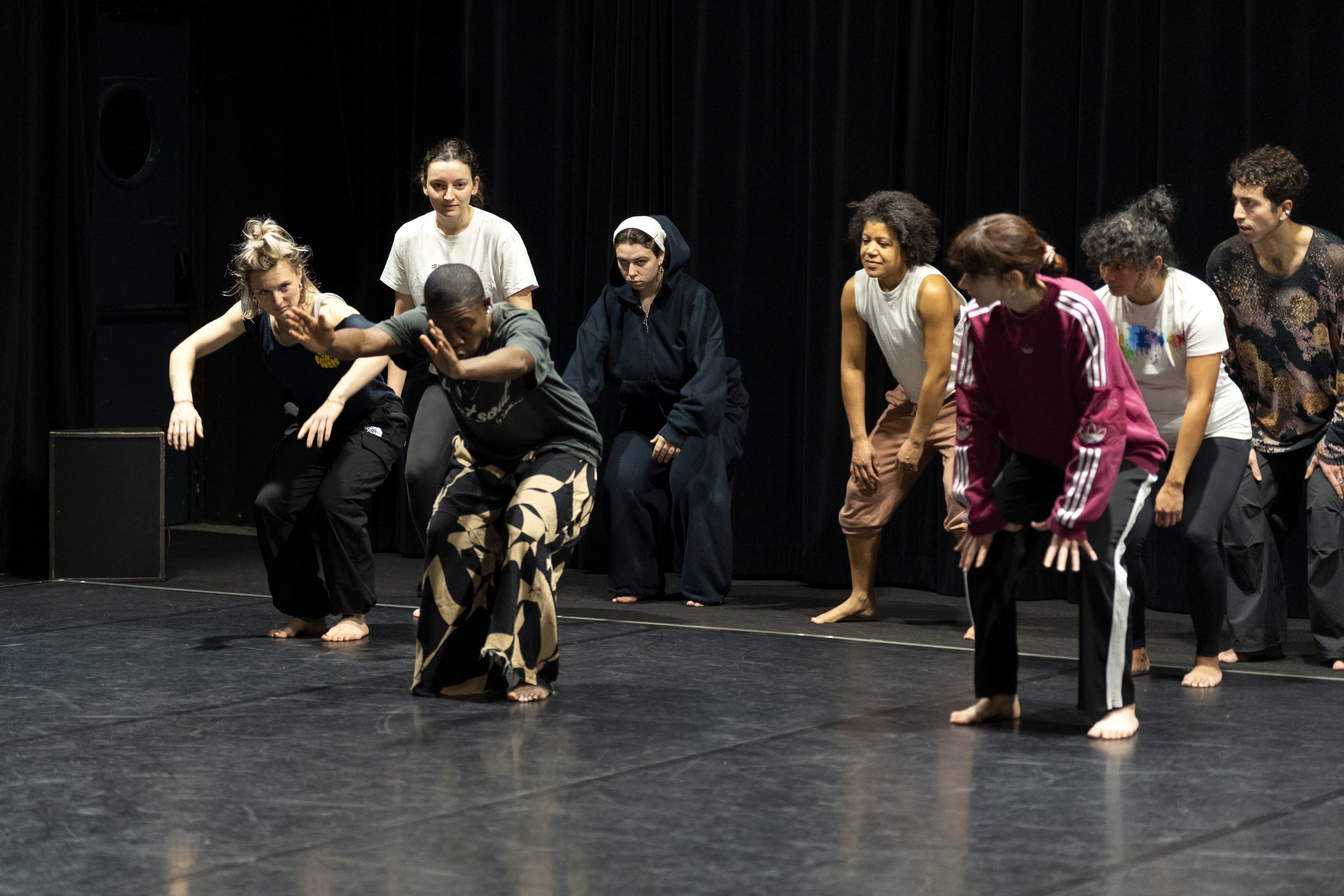 © Marc Domage
“It was all passed down through the body,” Eugène Christophe Njock Belomo
“The period between 1980 and 1996 was the ‘old school’ era – we had very powerful crews with multidisciplinary styles. In Central Africa, which is my field of research, everything was transmitted through the body and the voice, in the streets. There was also the 1984 French TV show H.I.P. H.O.P. on TF1 – which was a reference for us too – and videotapes people brought back from abroad. The crews, which were both dance schools and schools of life, were multifunctional communities, almost cultural institutions, where people learned dance-related skills such as DJing and video editing. The narrative of those early years includes many mythical or imaginary collective stories, with no real traceability. What remains is a fragmented history. Cross-referencing and centralizing data is complicated due to the geographical division of the country into ten regions, but also because some dancers left for a better future in the West or changed careers. My methodological approach is therefore based on my own “participating observation,” as I have been a popping, krump, and house dancer for fifteen years, as well as on oral testimonies from breakers in historic groups. Collecting and archiving is an ethical imperative. At the very least in order to valorize the work of African pioneers whose talent is in no means subpar to their French or American peers, and to inspire new generations!”
“Dancers have to own their history,” Moncef Zebiri
“An entire generation of breakdancers was formed on the steps of the Lyon Opera House – which is why we’re hosting an international battle there and a conference on the role that public site played on the history of French hip-hop in May 2025. While preparing for the event, I did some research at France’s National Audiovisual Institute and discovered some real gems. When I was part of the Pockemon crew [Editor’s note: a historic breakdancing group from Lyon that was formed in the early 2000s], we were never curious about the past, yet it is primarily up to dancers to take ownership of their history. There is still no real heritage work on hip-hop pieces, and the notion of a repertoire is non-existent. But a new generation has taken interest in reviving landmark French pieces, such as Mourad Merzouki’s 1996 Récital. Notation systems have been used in classical and contemporary dance… why not hip-hop? The more “authentic” forms of hip-hop dance are studied, the fewer unnecessary aesthetic transformations will appear on stage. By theorizing hip-hop and translating it according to current codes, archivists could play a useful role as a mediator between dance-makers and institutions – provided that our art remains faithful to its origins!”
A conversation with and recorded by Isabelle Calabre.
Isabelle Calabre is a journalist specializing in culture and dance, who works with several magazines: Danza&Danza and Le Parisien Week-end. She is the author of the book Hip hop et Cies, 1993-2012 as well as the YA book Je danse à l’Opéra (ed. Parigramme). Additionally, she has conducted research on West Indian and Guyanese quadrilles that has led to an essay submitted to the CN D in 2023, as well as an inventory of theses Creole social dances for their inclusion in France’s Universal Cultural Heritage list. In 2024, with Caraïbéditions, she launched a new collection showcasing the diversity of dances and the children who practice them. Already published: Moi aussi je danse le quadrille, Moi aussi je danse le hip-hop. To be published in 2026 : Moi aussi je danse le classique.
Éclairages